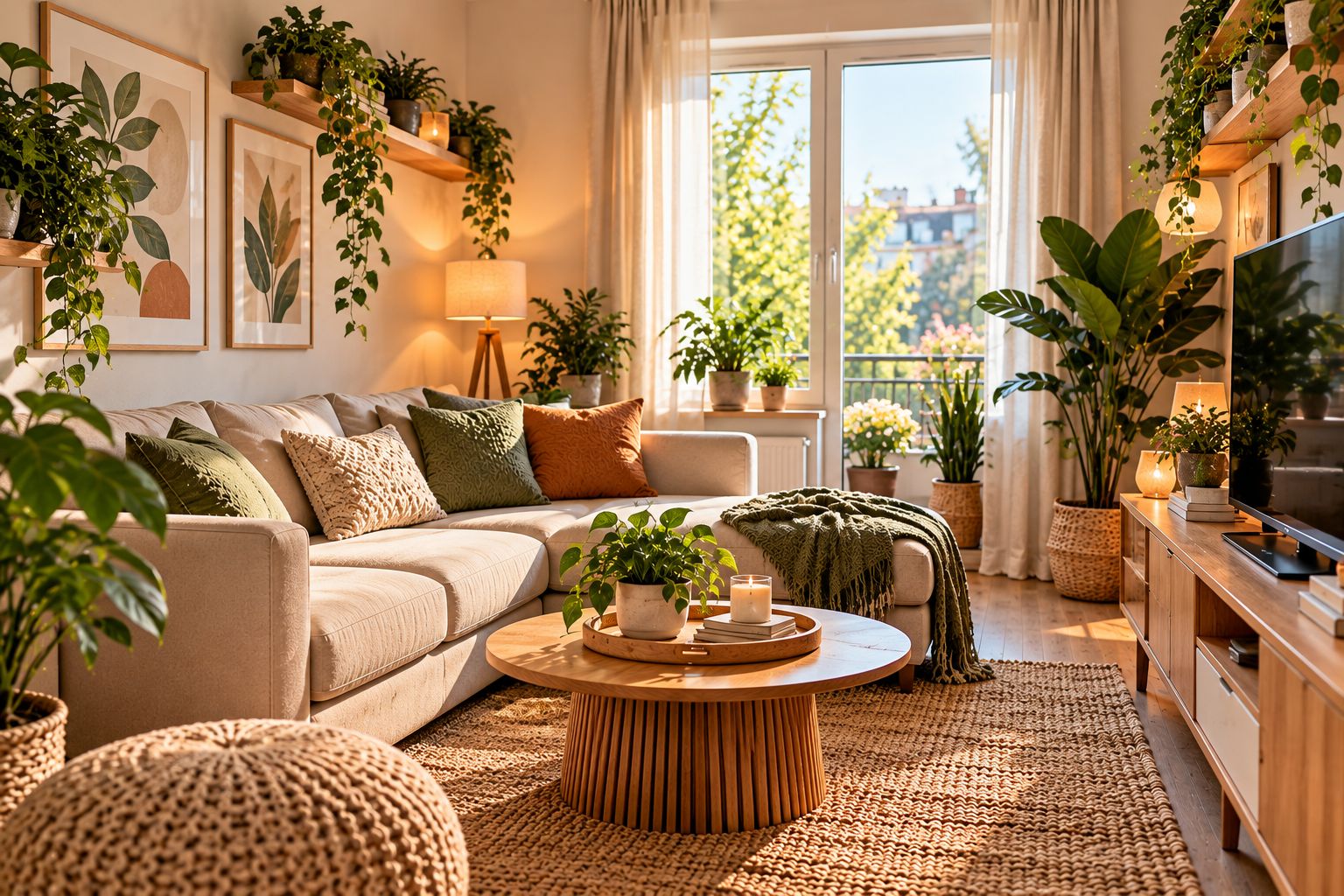
Simple DIY Shelf Ideas for Beginners
A simple shelf can add useful storage and make a room feel more organized without requiring a major renovation. For beginners, the best DIY shelf projects are usually the ones with a clear design, a small number of materials and straightforward installation.
You do not need advanced woodworking skills to create something practical. Start with a simple idea, measure carefully and choose a shelf style that fits the room and the weight of the items you want to store.
Start with the Purpose of the Shelf
Before buying materials, decide what the shelf will be used for.
It might hold:
- books
- small plants
- kitchen jars
- bathroom items
- framed photos
- decorative objects
Knowing the purpose helps you choose the right size, material and support system.
Measure the Space Carefully
Use a tape measure and check the available width, height and depth.
Do not guess.
Measure the area more than once before cutting wood or buying a ready-made board.
It is also helpful to check whether the shelf will interfere with doors, windows, switches or furniture.
Choose a Simple Shelf Board
For a beginner project, a straight wooden board is often enough.
You can use:
- pine boards
- plywood
- pre-cut shelving boards
- reclaimed wood in good condition
Choose a board that is straight, smooth and suitable for indoor use.
Floating Shelf
A floating shelf can create a clean and modern look because the support hardware is less visible.
For beginners, it is usually easiest to use a floating shelf kit with hardware designed for the shelf.
Follow the manufacturer’s installation instructions carefully and make sure the wall and fixings are appropriate for the expected weight.
Shelf with Visible Brackets
A shelf with simple metal or wooden brackets is one of the easiest DIY options.
The brackets remain visible, which can also become part of the design.
You can choose:
- black metal brackets
- white brackets
- natural wood supports
This style works well in bedrooms, kitchens, home offices and living rooms.
Small Corner Shelf
A small corner can often provide useful storage without taking up much space.
A simple corner shelf can hold a plant, a few books or decorative items.
Keep the design light and avoid overloading a small shelf.
Picture Ledge Shelf
A picture ledge is a narrow shelf with a small front edge.
It works well for:
- framed photos
- artwork
- small books
- lightweight decorative items
Because it is narrow, it can fit in areas where a deeper shelf would feel too large.
Shelf Above a Desk
A shelf above a desk can help keep the work surface clear.
Use it for items such as notebooks, small storage boxes or lightweight office supplies.
Leave enough space between the desk and the shelf so the area does not feel cramped.
Shelf Above a Bed
A shelf above a bed can add decor and storage, but placement and secure installation are especially important.
Avoid placing heavy, fragile or unstable items above where someone sleeps.
Keep the shelf simple and use lightweight decor if you choose this location.
Kitchen Shelf
Open kitchen shelving can be useful for everyday items.
A small shelf can hold:
- mugs
- jars
- spices
- lightweight dishes
- small plants
Keep frequently used items within easy reach and avoid overcrowding the shelf.
Bathroom Shelf
A small bathroom shelf can provide useful space for:
- folded towels
- toiletries
- small baskets
- decorative items
Choose materials and finishes that can handle the bathroom environment and avoid placing wood where it will be constantly exposed to water.
Use Simple Finishes
You do not need a complicated finish.
Depending on the material and look you want, you may use:
- clear wood finish
- paint
- wood stain
Prepare the surface properly and follow the product instructions.
Allow the shelf to dry fully before installation.
Sand the Wood Before Finishing
If you are using unfinished wood, sanding can improve both appearance and feel.
Start with a suitable sandpaper and work carefully along the wood grain.
Remove dust before applying paint, stain or another finish.
Keep the Design Simple
For a first DIY shelf, avoid complicated shapes and unnecessary decorative details.
A clean board with two suitable supports can look professional when the measurements and installation are done carefully.
Simple projects are also easier to adjust if something does not fit as expected.
Choose the Right Hardware
The hardware should match:
- the shelf
- the wall type
- the expected load
Different walls can require different fixings.
If you are unsure about the wall construction or whether a fixing is suitable, follow the hardware manufacturer’s guidance or ask a qualified professional.
Check That the Shelf Is Level
A spirit level can help you avoid installing a shelf that tilts to one side.
Mark the mounting points carefully before drilling.
Taking a few extra minutes to check alignment can make the finished project look much better.
Do Not Overload the Shelf
Every shelf and support system has limits.
Do not assume that a shelf can hold heavy objects simply because it feels secure.
Keep heavier items low when possible and follow any weight guidance provided with the brackets or hardware.
Use Baskets for Small Items
A shelf can look cluttered when it holds many small objects.
Small baskets or boxes can help group similar items together.
For example:
- cables
- stationery
- toiletries
- small kitchen supplies
Choose containers that fit the shelf rather than buying oversized storage.
Leave Some Empty Space
A shelf does not need to be completely full.
Leaving some open space can make the arrangement look cleaner and more intentional.
Try combining a few practical items with one or two decorative pieces.
Match the Shelf to the Room
A simple shelf can fit many design styles.
For example:
- natural wood for a warm look
- white for a clean minimal style
- darker wood for contrast
- black brackets for an industrial touch
Try to repeat one or two colors or materials already present in the room.
Start with One Shelf
If you are new to DIY projects, start small.
Install one shelf and see how it looks and functions before adding several more.
This gives you a chance to learn from the first installation and make improvements if needed.
Final Thoughts
A DIY shelf can be one of the easiest ways to add practical storage and personality to a room.
For beginners, the best approach is to keep the design simple, measure carefully and choose materials and hardware that match the space and intended use.
A basic shelf does not need to be complicated to look good. With thoughtful placement and a clean finish, even a simple board and bracket design can make a room feel more organized and complete.