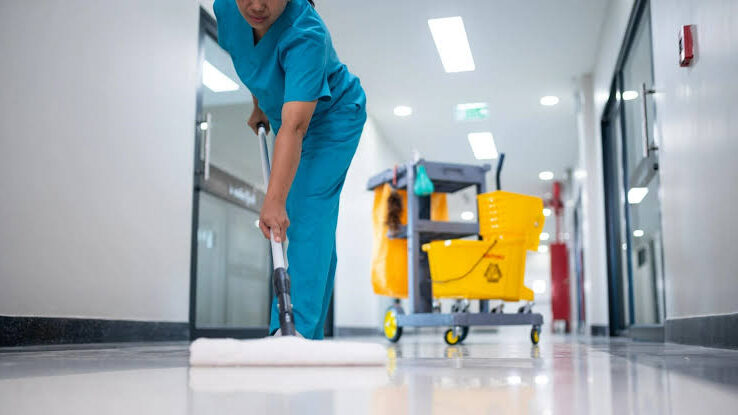
Maintaining high hygiene standards is one of the most important responsibilities of every veterinary clinic. A clean environment helps protect animals, veterinary professionals, visitors, and the wider community from preventable infections.
Veterinary clinics treat animals with different health conditions every day. Some may carry bacteria, viruses, fungi, parasites, or other infectious agents. For this reason, hygiene must be part of every clinic’s daily routine rather than an occasional deep-cleaning activity.
Why Veterinary Clinic Hygiene Matters
Good hygiene supports patient safety and improves the overall quality of veterinary care. It also helps reduce cross-contamination between animals and creates a more professional experience for pet owners.
Poor hygiene can lead to unpleasant odors, contaminated equipment, workplace injuries, and the spread of infection. Even small mistakes, such as reusing unclean tools or failing to disinfect an examination table, may create unnecessary risks.
A successful clinic should have clear hygiene procedures that every team member understands and follows.
Hand Hygiene for Veterinary Staff
Hand hygiene is one of the simplest and most effective infection-control measures.
Veterinary staff should wash their hands:
- Before and after handling each animal
- After contact with blood, urine, feces, saliva, or other body fluids
- After removing gloves
- Before preparing medication or handling sterile equipment
- After cleaning cages, floors, or waste areas
- Before eating or leaving the clinical area
Soap and water should be used when hands are visibly dirty. Alcohol-based hand sanitizer may be suitable when hands are not visibly contaminated, depending on the clinic’s protocols.
Gloves do not replace proper handwashing.
Cleaning and Disinfection
Cleaning and disinfection are related but different processes.
Cleaning removes dirt, hair, organic matter, and visible contamination. Disinfection uses an appropriate product to reduce harmful microorganisms on surfaces.
Surfaces should always be cleaned before disinfectant is applied. Organic material can reduce the effectiveness of many disinfectants.
High-contact areas require frequent attention, including:
- Examination tables
- Door handles
- Light switches
- Scales
- Computer keyboards
- Kennel doors
- Treatment counters
- Waiting-room seating
Staff should follow product instructions carefully, especially the recommended dilution and contact time.
Examination Room Hygiene
The examination room should be cleaned between patients.
After each consultation, staff should:
- Remove used disposable materials.
- Clean visible dirt, hair, or body fluids.
- Disinfect the examination table and frequently touched surfaces.
- Replace contaminated protective covers.
- Clean reusable instruments before the next patient.
Animals suspected of having contagious diseases should ideally be examined in a designated room or at a separate time to reduce exposure to other patients.
Laboratory Hygiene
Veterinary laboratories require strict organization and careful handling of samples.
Blood, urine, fecal, and tissue samples should be labeled correctly and stored in suitable containers. Work surfaces should be disinfected regularly, and spills should be managed immediately according to clinic procedures.
Food and drinks should never be allowed in laboratory areas.
Sharp instruments, microscope slides, chemicals, and biological materials should be stored safely and disposed of through approved systems.
Kennel and Animal Housing Hygiene
Cages and kennels should be cleaned after every patient and whenever visibly contaminated.
Bedding, food bowls, water containers, litter trays, and reusable accessories should be cleaned or replaced regularly. Clean items should be stored separately from dirty equipment.
The clinic should also prevent direct contact between healthy animals and patients with suspected infectious conditions.
Good ventilation and odor control are important, but strong fragrances should not be used to hide poor cleaning practices.
Medical Waste and Sharps Disposal
Veterinary clinics generate different types of waste, including general waste, biological material, pharmaceutical waste, and sharp objects.
Needles, blades, and other sharp items should be placed immediately into approved puncture-resistant containers. They should never be left on tables, carried loosely, or disposed of in normal waste bins.
Expired medicines and hazardous materials should be managed according to local regulations and professional disposal requirements.
Waste containers should be clearly labeled and emptied before they become overfilled.
Personal Protective Equipment
Personal protective equipment may include:
- Disposable gloves
- Protective gowns or aprons
- Face masks
- Eye protection
- Closed, slip-resistant footwear
The type of protection required depends on the procedure and the possible exposure risk.
Reusable protective clothing should be washed regularly and should not be worn outside clinical areas when contaminated.
Waiting Room Hygiene
The waiting room is often the first area clients see, so cleanliness strongly influences their impression of the clinic.
Floors, chairs, counters, and door handles should be cleaned frequently. Accidents involving urine, feces, or vomit should be handled immediately.
Where possible, clinics should separate cats from dogs and keep animals showing signs of infectious illness away from the main waiting area.
Hand sanitizer and clearly marked waste bins can also support better hygiene.
Create a Written Cleaning Schedule
A written schedule helps ensure that important tasks are not forgotten.
The schedule should identify:
- What must be cleaned
- Which product should be used
- How often cleaning is required
- Which staff member is responsible
- How completed tasks are recorded
Daily, weekly, and monthly duties should be separated clearly. Managers should review the schedule regularly and update it when the clinic introduces new equipment or services.
Train the Entire Team
Hygiene is not only the responsibility of cleaning staff. Veterinarians, technicians, assistants, receptionists, and managers all contribute to infection prevention.
Training should cover hand hygiene, disinfectant use, protective equipment, waste disposal, spill management, and the handling of contagious patients.
New employees should receive hygiene training before working independently.
Common Hygiene Mistakes to Avoid
Frequent mistakes include using the wrong disinfectant concentration, ignoring product contact time, cleaning only visible dirt, wearing the same gloves between patients, and storing clean supplies near contaminated materials.
Another common problem is relying on appearance alone. A surface may look clean but still contain harmful microorganisms.
Consistent procedures are more reliable than occasional intensive cleaning.
Final Thoughts
Veterinary clinic hygiene directly affects patient care, staff safety, and client confidence. The most effective approach combines clear procedures, suitable products, regular training, and consistent monitoring.
A clinic does not need to be large or expensive to maintain high hygiene standards. What matters most is that every area is cleaned properly, responsibilities are clearly assigned, and infection prevention becomes part of the clinic’s everyday culture.