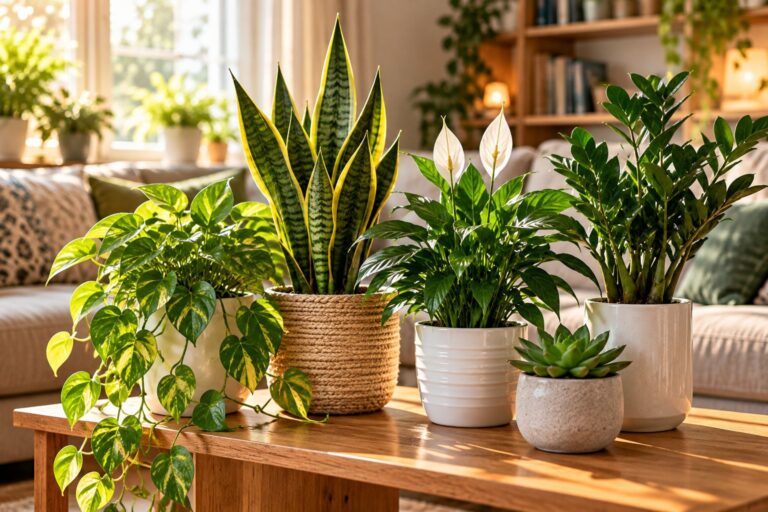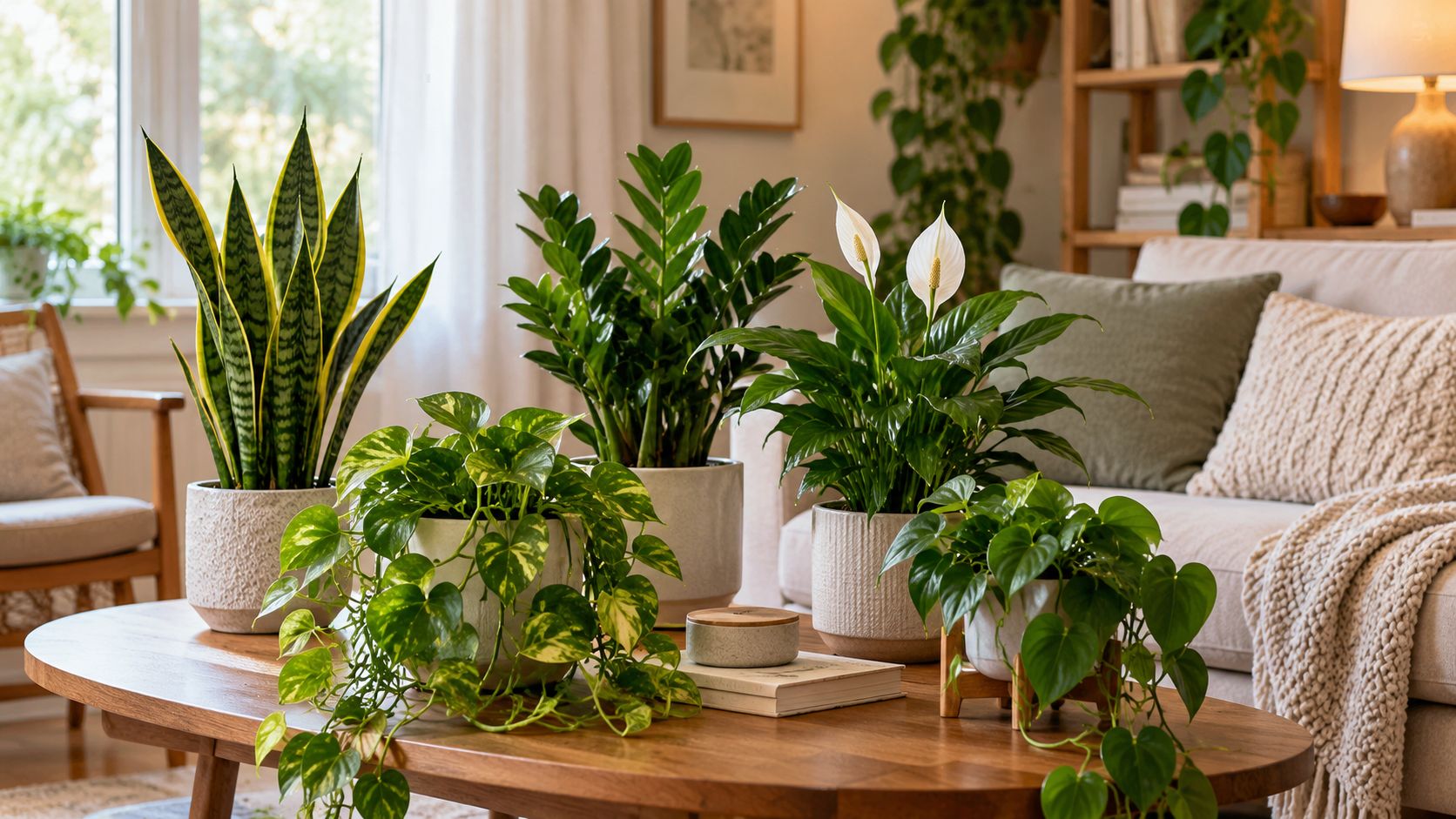
Best Low-Light Indoor Plants for Beginners
Indoor plants can bring life, color and a calmer atmosphere into a home, but not every room gets strong natural light. The good news is that some houseplants can still do well in spaces with lower light levels, making them a practical choice for beginners.
If you are new to plant care, choosing the right plant matters more than choosing the most decorative one. Low-light plants are often easier to manage and can adapt well to ordinary indoor conditions.
What Does Low Light Mean?
Low light does not mean no light.
Most houseplants still need some natural or indirect light to stay healthy. Low light usually refers to areas that are:
- farther away from windows
- near north-facing windows
- partially shaded by buildings or curtains
- naturally darker during the day
A room can still be bright overall while having corners or shelves with lower light.
Snake Plant
The snake plant is one of the most beginner-friendly houseplants.
It is known for its upright leaves and its ability to tolerate lower light and occasional missed watering.
Many people like it because it:
- looks clean and modern
- does not need frequent attention
- works well in bedrooms, hallways and living rooms
It is a good choice for someone who wants a simple plant with minimal fuss.
ZZ Plant
The ZZ plant is another popular low-light option.
It has glossy leaves and a neat appearance, and it can handle indoor environments very well.
It is often recommended for beginners because it:
- tolerates lower light
- does not need frequent watering
- stays attractive with basic care
Its strong structure also makes it look good in home offices and living rooms.
Pothos
Pothos is a trailing plant that is widely loved for its easy care.
It can grow in hanging planters, on shelves or in simple pots where the vines are allowed to trail downward.
Pothos is useful for beginners because it:
- adapts well to indoor conditions
- is easy to trim
- grows fairly quickly
- can brighten up a shelf or corner
Even though it can tolerate lower light, growth is usually stronger with some indirect light.
Peace Lily
The peace lily is often chosen for its graceful leaves and elegant white blooms.
It can work well in homes where light is moderate to lower, though it still appreciates indirect light.
Many people like it because it:
- has a softer decorative look
- fits well in living rooms and bedrooms
- gives visible signs when it needs water
Its leaves may droop when it becomes too dry, which can make it easier for beginners to notice when the plant needs attention.
Cast Iron Plant
The cast iron plant is known for being sturdy and tolerant.
As its name suggests, it has a reputation for handling less-than-perfect growing conditions.
It is a good option for beginners who want a dependable plant for a shaded area.
Its dark green leaves also work well with a wide range of interior styles.
Philodendron
Many types of philodendron are suitable for indoor growing, and some varieties do well in lower-light spaces.
They are often appreciated for their attractive leaves and manageable care.
Philodendrons can work well:
- on shelves
- in decorative pots
- near desks
- in corners with indirect light
They are often a practical choice for someone who wants a plant that looks lush without being difficult.
Chinese Evergreen
The Chinese evergreen is another common beginner plant.
It is valued for its decorative foliage and its ability to adapt to indoor life.
Depending on the variety, the leaves may have different patterns or shades of green and silver.
This plant can make a room feel fuller and more finished without demanding constant attention.
Spider Plant
Spider plants are often grown in hanging planters or on shelves.
They are beginner-friendly and can tolerate a range of indoor conditions.
Their arching leaves and small offshoots give them a lively appearance.
While they appreciate brighter indirect light, many spider plants still perform reasonably well in less intense light.
Why Low-Light Plants Are Good for Beginners
Low-light plants are often easier for beginners because they are more forgiving.
They may handle:
- occasional missed watering
- ordinary indoor temperatures
- less-than-perfect window placement
- inconsistent experience from new plant owners
This does not mean they can be ignored, but they often give beginners more room to learn.
Avoid Overwatering
One of the most common mistakes with houseplants is overwatering.
Beginners sometimes assume that more water means better growth, but many low-light plants prefer the soil to dry slightly between waterings.
Too much water can lead to root problems and unhealthy leaves.
Always check the soil before watering and avoid watering on a strict schedule without checking the plant’s condition.
Choose the Right Pot
A pot with drainage holes is usually a practical choice for indoor plants.
Good drainage can help prevent water from staying in the soil for too long.
You can still use decorative planters, but it is often useful to keep the plant in an inner pot that drains properly.
This makes care easier and helps reduce the risk of overwatering.
Keep Leaves Clean
Dust can collect on plant leaves over time, especially indoors.
Gently wiping the leaves with a soft cloth can help the plant look better and may also help it receive light more effectively.
Clean leaves can make a big difference in appearance, especially for plants with broader foliage.
Rotate Plants Occasionally
If a plant always faces the same direction, it may begin leaning toward the light source.
Turning the pot occasionally can help it grow in a more balanced way.
This is a simple habit that can improve the shape and appearance of many indoor plants.
Watch for Signs of Stress
Even easy plants give signals when something is wrong.
Watch for:
- yellowing leaves
- drooping leaves
- soft stems
- dry brown tips
- very slow or weak growth
These signs do not always mean the same thing, but they can suggest that the plant needs adjustments in watering, placement or general care.
Start Small
If you are new to indoor plants, you do not need to fill the entire home with greenery right away.
Start with one or two easy plants and learn how they respond in your space.
This can help you build confidence before adding more.
A few healthy plants usually look better than many struggling ones.
Place Plants Where They Fit Naturally
Choose places in the home where plants can sit comfortably without getting in the way.
Low-light plants often work well in:
- bedrooms
- hallways
- living room corners
- shelves
- side tables
- home offices
Think about both the plant’s needs and the room’s layout.
Use Plants as Decor
Low-light indoor plants can do more than simply fill space.
They can soften a room, add a natural feel and make interiors seem more welcoming.
A tall plant can help fill an empty corner, while a trailing plant can make a shelf feel more complete.
Plants can be practical decorative elements when chosen thoughtfully.
Final Thoughts
Low-light indoor plants are a great starting point for beginners.
They bring natural beauty into the home while being more forgiving than many other houseplants.
Good beginner choices include snake plants, pothos, ZZ plants, peace lilies and other adaptable options.
Start with a plant that matches your space, avoid overwatering and keep the care routine simple.
With the right choice, even a lower-light room can still become a good home for attractive, easy-care plants.