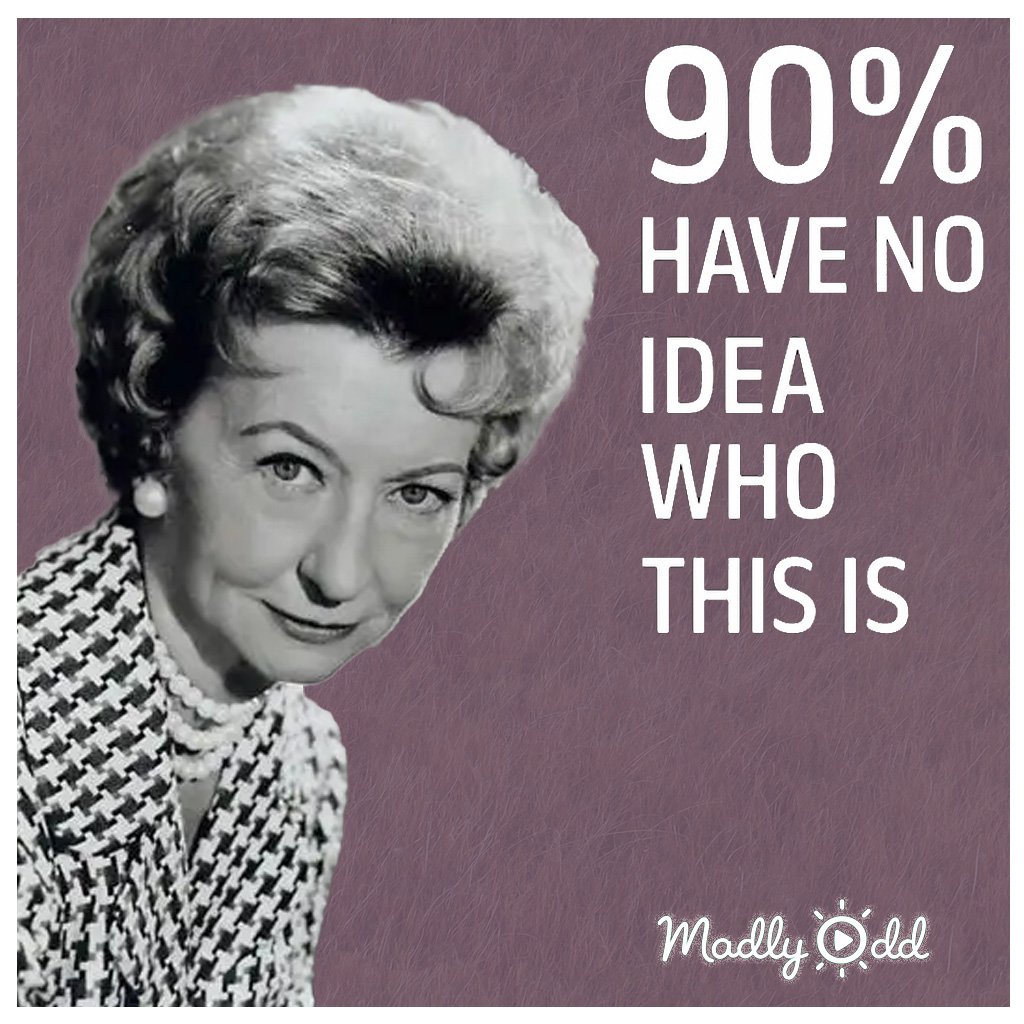
Irene Ryan: From Vaudeville Performer to Beloved Television Icon
Introduction
In the history of American entertainment, some performers spend decades refining their craft before achieving widespread recognition. One such actress built a long and varied career across stage, radio, film, and television before becoming a household name in the 1960s.
That performer was Irene Ryan, born Jessie Irene Noblitt in Texas. While she is most widely remembered for a single television role that defined her later career, her professional journey reflects the evolution of American popular entertainment itself—from vaudeville stages to the golden age of television.
Early Life and Vaudeville Beginnings
Born in Texas, Irene Ryan showed an early talent for performance. By the age of eleven, she was already working professionally as a singer and dancer. This early start placed her in the world of traveling stage entertainment, where performers toured constantly and relied on versatility, stamina, and audience connection.
Ryan later entered vaudeville, a highly popular form of live variety entertainment in the early 20th century. Vaudeville required performers to master multiple skills—comedy, music, timing, and improvisation—often within a single act. This environment helped shape her disciplined stage presence and sharp comedic instincts.
She also performed alongside her husband in a musical comedy act, touring extensively across the United States. These years on the road gave her valuable experience and exposure, but also demanded resilience in a demanding and competitive industry.
Radio and Television Transition
As entertainment shifted from live stage shows to broadcast media, Ryan adapted with remarkable ease. She became a radio performer and frequent guest on variety programs, a common stepping stone for stage actors transitioning into mass media.
Radio required a different kind of performance skill. Without visual expression, actors had to rely entirely on voice modulation, timing, and emotional clarity. Ryan’s background in live performance made her particularly effective in this format, allowing her to maintain steady work as entertainment technology evolved.
Her adaptability eventually led her into film and television appearances, where she continued building a reputation as a reliable and skilled character actress.
The Role That Made Her a Household Name
Despite decades of work in entertainment, Irene Ryan achieved global recognition relatively late in her career through her role in the television series The Beverly Hillbillies.
She portrayed Daisy May “Granny” Moses, a strong-willed, humorous, and fiercely independent matriarch. The character became one of the most recognizable figures in American television during the 1960s.
What made Ryan’s performance stand out was her ability to blend physical comedy with sharp comedic timing. Although “Granny” was often portrayed as rough around the edges, Ryan infused the character with energy, intelligence, and comedic precision. This balance helped turn the role into a cultural icon of early television sitcom history.
A Performer Beyond Typecasting
While audiences primarily associated her with her television persona, Ryan’s real-life background was far more diverse. She was not simply a comedic actress but a trained stage performer with decades of experience in live entertainment.
Her career demonstrates how many actors of her era moved fluidly between different entertainment formats—vaudeville, radio, theater, film, and television—long before the modern concept of media specialization existed.
Return to Broadway and Late-Career Success
One of the most remarkable chapters of Ryan’s career came near the end of her life when she returned to her theatrical roots on Broadway. She performed in the musical Pippin, playing the character Berthe.
Her performance was widely praised, particularly her energetic delivery of the song “No Time at All,” during which she famously performed with remarkable physical vitality despite her age. This role earned her a Tony Award nomination, highlighting her enduring talent and stage presence.
Her success in Pippin demonstrated that her abilities had not diminished with age. Instead, she continued to evolve as a performer, earning respect from a new generation of theater audiences.
Legacy in American Entertainment
Irene Ryan’s career reflects a unique transition period in entertainment history. She began in vaudeville, adapted to radio, succeeded in television, and returned triumphantly to Broadway. Few performers have managed such a wide-ranging career across so many major entertainment formats.
Her portrayal of Granny in The Beverly Hillbillies remains one of the most recognizable television characters of the 20th century, but her broader contributions to performance art are equally significant.
Conclusion
Irene Ryan represents the resilience and adaptability of performers who shaped early American entertainment. From her beginnings as a child performer in vaudeville to her acclaimed Broadway work in Pippin, she demonstrated that talent can evolve across decades and mediums.
Her legacy is not only defined by one iconic television role but by a lifetime of performance that bridged multiple eras of entertainment history.