Introduction
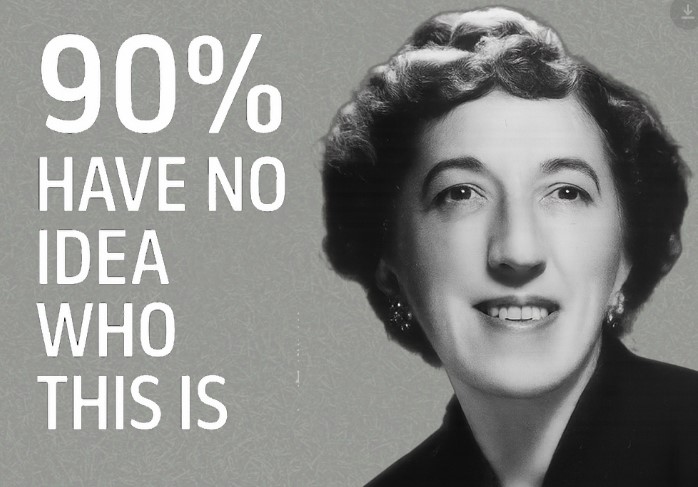
In Hollywood history, few performances have left as lasting an impression as those of character actors who brought unforgettable villains to life. One such performer built a remarkable career spanning more than seven decades, appearing in over 70 films and hundreds of television episodes. Although she was deeply respected in the theater world and worked extensively across stage and screen, she became immortalized in popular culture for a single, iconic role in classic cinema.
That performer was Margaret Hamilton, a trained educator turned actress whose career combined artistic discipline, resilience, and an unexpected place in film history.
From Teacher to Stage Performer
Before entering Hollywood, Hamilton worked as a kindergarten teacher. Her early professional life reflected a strong commitment to education and child development, values that would remain important to her throughout her life. Eventually, she transitioned into acting, beginning in theater and gradually building a reputation in New York’s competitive stage scene.
Her background in education and theater gave her a unique foundation as a performer. She brought precision, emotional control, and strong character interpretation to her roles—qualities that made her especially effective in supporting and character parts rather than traditional leading roles.
The Role That Defined Her Career
Hamilton’s most famous performance came in the 1939 film The Wizard of Oz, where she portrayed the Wicked Witch of the West, as well as her Kansas counterpart, Almira Gulch. Her portrayal of the Witch became one of the most recognizable villain performances in cinematic history.
What made the role so powerful was not just the character’s appearance, but Hamilton’s disciplined acting approach. She avoided exaggeration and instead relied on controlled expressions, sharp delivery, and precise movement. This created a character that felt genuinely threatening without relying on excessive theatrics.
The role became so culturally significant that it has remained a reference point in film studies, popular culture, and Halloween imagery for generations.
Challenges Behind the Scenes
While the character she played was frightening on screen, the production process was physically demanding. During one special effects scene involving pyrotechnics, Hamilton suffered second-degree burns. Despite the seriousness of the injury, she returned to filming after a short recovery period in order to complete her work.
This incident reflects both the limitations of early special effects technology and the demanding expectations placed on actors during Hollywood’s Golden Age. Safety standards were not as advanced as they are today, and performers often faced real physical risks while filming complex scenes.
Life Beyond the Wicked Witch
Although audiences often associated her with villainous roles, Hamilton was known in her personal life as gentle, soft-spoken, and deeply committed to children’s welfare. She continued to value education throughout her life and occasionally participated in public appearances aimed at reassuring young audiences that her famous character was purely fictional.
In fact, she once appeared on a well-known children’s television program specifically to help children separate her real personality from her on-screen image. This effort reflected her awareness of how powerfully media characters can influence young viewers.
Outside of acting, she enjoyed simple, quiet hobbies such as knitting, which contrasted sharply with the dramatic intensity of her most famous role.
A Long and Versatile Career
Beyond her defining performance, Hamilton maintained a steady acting career in film and television. She appeared in various productions over the decades, including guest roles in television series and supporting parts in films such as 13 Ghosts (1960) and appearances connected to adaptations of The Addams Family.
Her longevity in the entertainment industry highlights her adaptability and professionalism. Rather than being limited by typecasting, she continued working across different genres and formats well into later stages of her career.
Legacy in Film History
Margaret Hamilton’s legacy is a reminder that iconic performances are not always defined by leading roles or screen time, but by impact. Her portrayal of the Wicked Witch remains one of the most enduring villain characters in film history, studied and remembered nearly a century after its release.
At the same time, her life story reveals a much broader identity: an educator, a dedicated performer, and a resilient individual who balanced fame with personal humility. Her career stands as an example of how actors can shape cultural memory while maintaining lives far removed from the characters they portray.
Conclusion
Margaret Hamilton left behind a legacy that extends far beyond a single role. While she will always be remembered for her unforgettable performance in The Wizard of Oz, her life story is equally defined by her dedication to education, her resilience in the face of challenges, and her lasting contribution to American entertainment history.