A successful veterinary clinic requires more than qualified veterinarians and a clean facility. The right equipment allows the medical team to diagnose conditions accurately, treat animals safely, respond to emergencies and provide a better experience for both pets and their owners.
Equipment needs may differ depending on whether the clinic treats small animals, large animals, exotic pets or emergency cases. However, the following checklist covers the core items most modern veterinary practices should consider.
Examination Room Equipment
The examination room is where most appointments begin. It should be functional, hygienic and comfortable for animals of different sizes.
Essential items include:
Stainless-steel or easy-to-clean examination tables
Digital veterinary scales
Stethoscopes
Veterinary thermometers
Otoscopes and ophthalmoscopes
Examination lights
Disposable gloves
Muzzles and animal restraint equipment
Basic grooming clippers
Disinfectants and cleaning supplies
Wall-mounted storage cabinets can help keep frequently used supplies organized and easily accessible.
Diagnostic Equipment
Reliable diagnostic equipment helps veterinarians identify illnesses, injuries and underlying health problems more quickly.
A well-equipped clinic may include:
Digital X-ray system
Veterinary ultrasound machine
Microscope
Blood pressure monitor
Pulse oximeter
Electrocardiogram machine
Glucometer
Centrifuge
Urine analyzer
Hematology and blood chemistry analyzers
Clinics that cannot perform every test internally should establish relationships with trusted external veterinary laboratories.
Surgical Equipment
Veterinary clinics offering surgical procedures need a dedicated operating area with appropriate instruments and monitoring systems.
Important surgical equipment includes:
Adjustable surgical table
Surgical lighting
Anesthesia machine
Oxygen supply system
Patient monitoring equipment
Electrosurgical unit
Suction machine
Veterinary surgical instrument sets
Sterile drapes, gowns, masks and gloves
IV fluid pumps
Warming pads or temperature-control systems
Separate instrument sets may be needed for routine procedures such as spaying, neutering, dental surgery and soft-tissue operations.
Sterilization and Infection-Control Equipment
Preventing infection is essential for protecting patients, veterinary staff and visitors.
Every clinic should have:
Autoclave sterilizer
Ultrasonic instrument cleaner
Sterilization pouches
Medical-grade disinfectants
Handwashing stations
Sharps disposal containers
Clinical waste bins
Personal protective equipment
Isolation supplies for contagious animals
Cleaning procedures should be documented, consistently followed and adapted to different areas of the clinic.
Emergency and Critical-Care Equipment
Even clinics that do not operate as emergency hospitals should be prepared for unexpected situations.
Emergency equipment may include:
Emergency crash cart
Oxygen masks and cages
Ambu bags
Endotracheal tubes
Laryngoscope
IV catheters and fluids
Emergency medications
Defibrillator
Blood transfusion supplies
Portable patient monitor
Emergency supplies should be checked regularly to confirm that medications are not expired and equipment remains operational.
Dental Care Equipment
Dental disease is common among companion animals, making dental equipment an important investment for many veterinary practices.
Recommended items include:
Veterinary dental unit
Ultrasonic scaler
Dental polishing tools
Dental hand instruments
Dental X-ray system
Extraction instruments
Oral examination tools
Protective eyewear and masks
Proper dental imaging can help veterinarians detect problems below the gumline that may not be visible during a standard examination.
Hospitalization and Recovery Equipment
Animals recovering from illness, injury or surgery need a secure and closely monitored environment.
A hospitalization area should include:
Stainless-steel cages or kennels
Comfortable bedding
Infusion pumps
Heating systems
Oxygen cages
Food and water bowls
Cat-friendly hiding areas
Separate dog and cat recovery spaces
Monitoring cameras where appropriate
Isolation kennels should be located away from general hospitalization areas to reduce the risk of disease transmission.
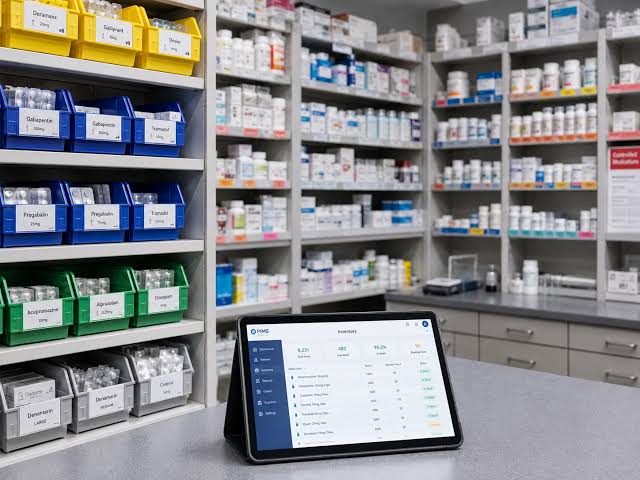
Pharmacy and Medication Storage
Medications must be stored securely and under appropriate environmental conditions.
Useful equipment includes:
Lockable medicine cabinets
Pharmaceutical refrigerator
Temperature-monitoring devices
Prescription label printer
Medication dispensing containers
Controlled-drug storage system
Inventory-management software
Accurate records are especially important for controlled substances, vaccines and medications with specific storage requirements.
Administrative and Communication Equipment
Efficient administration supports better patient care and reduces appointment delays.
Veterinary clinics commonly need:
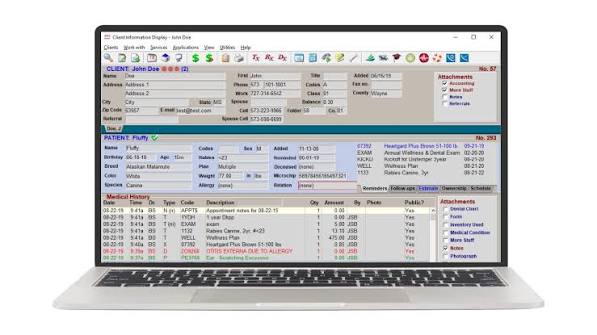
Computers and practice-management software
Reliable internet connection
Telephone system
Card-payment terminal
Receipt and label printers
Appointment scheduling system
Digital medical-record storage
Data backup and cybersecurity protection
Automated reminders for vaccinations, follow-up visits and preventive treatments can also improve client communication.
Final Considerations
Purchasing every available device is not necessary when opening a veterinary clinic. Equipment should be selected according to the clinic’s services, patient volume, available space and budget.
Priority should be given to reliable diagnostic tools, safe anesthesia and surgical equipment, effective sterilization systems and essential emergency supplies. Regular maintenance, calibration and staff training are equally important because even high-quality equipment must be used correctly to protect animal health.
A carefully planned equipment checklist helps a veterinary clinic operate efficiently, meet professional standards and provide consistent, high-quality care.