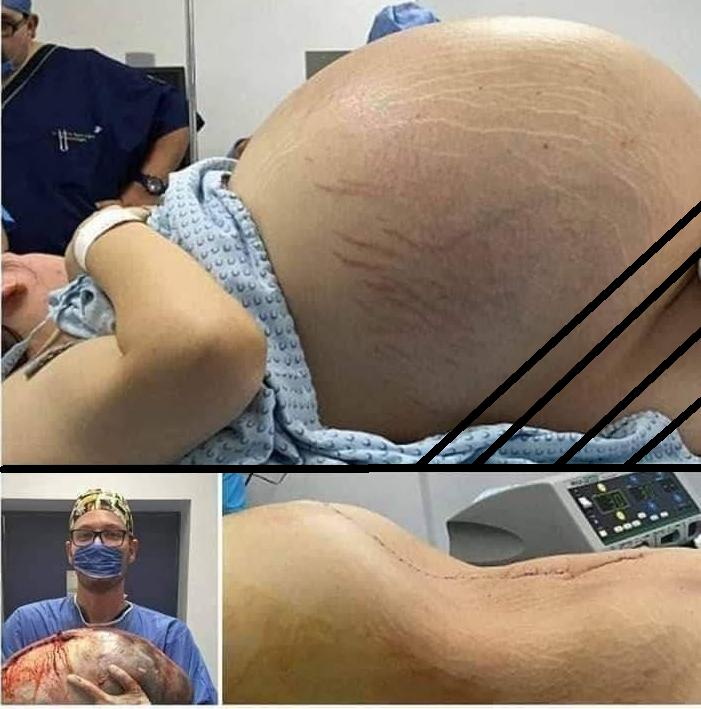
A Rare Life-Saving Surgery: Doctors Remove 33-Kilogram Ovarian Cyst in Mexico
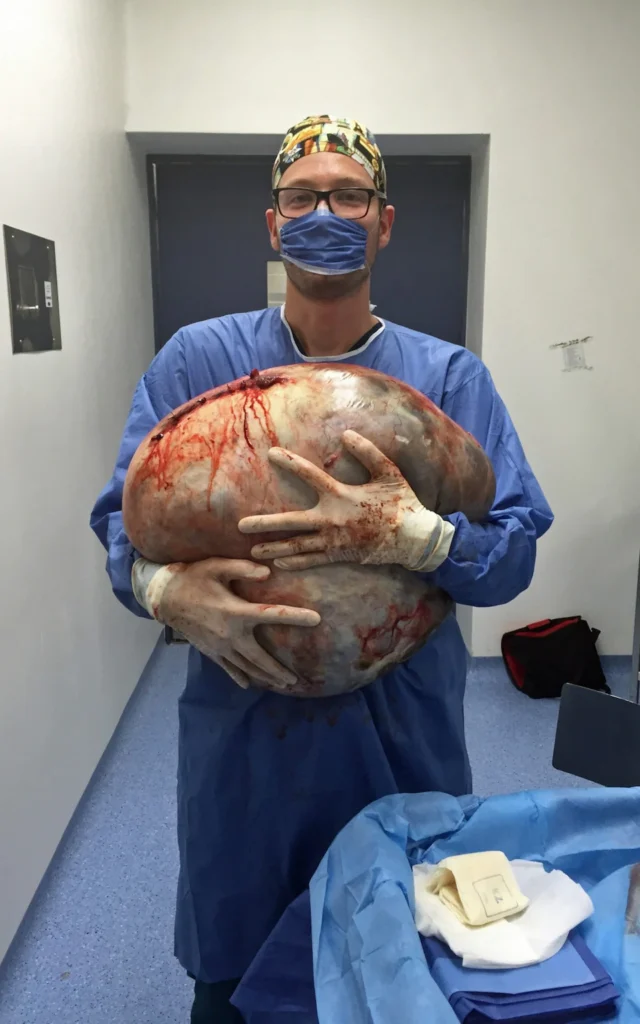
Medical cases involving extremely large tυmors or cysts are rare, but they highlight both the complexity of the human body and the importance of timely medical care. In Mexico, doctors recently performed a remarkable sυrgery on a 24-year-old woman who had been living with an ovarian cyst that had grown to an extraordinary size—over 33 kilograms.
The case drew attention not only because of the size of the cyst, but also because of the successful outcome of a highly delicate surgical procedure that significantly improved the patient’s quality of life.
The Patient’s Condition Before Surgery
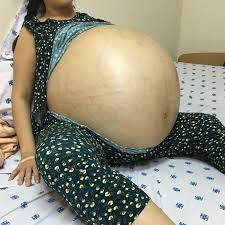
Doctors in Mexico reported that the young woman had been experiencing progressive health problems as the cyst continued to grow. Over time, the mass expanded to occupy nearly her entire abdominal cavity.
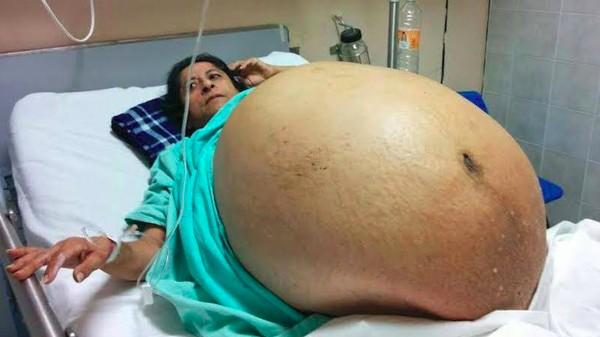
This caused severe physical discomfort, including difficulty with basic functions such as walking, breathing, and eating normally. As the cyst increased in size, it also placed pressure on internal organs, creating additional medical risks.
According to the medical team, the condition had reached a critical stage where continued growth could have led to serious complications, including strain on the heart and other vital organs.
The Medical Team and Surgical Procedure
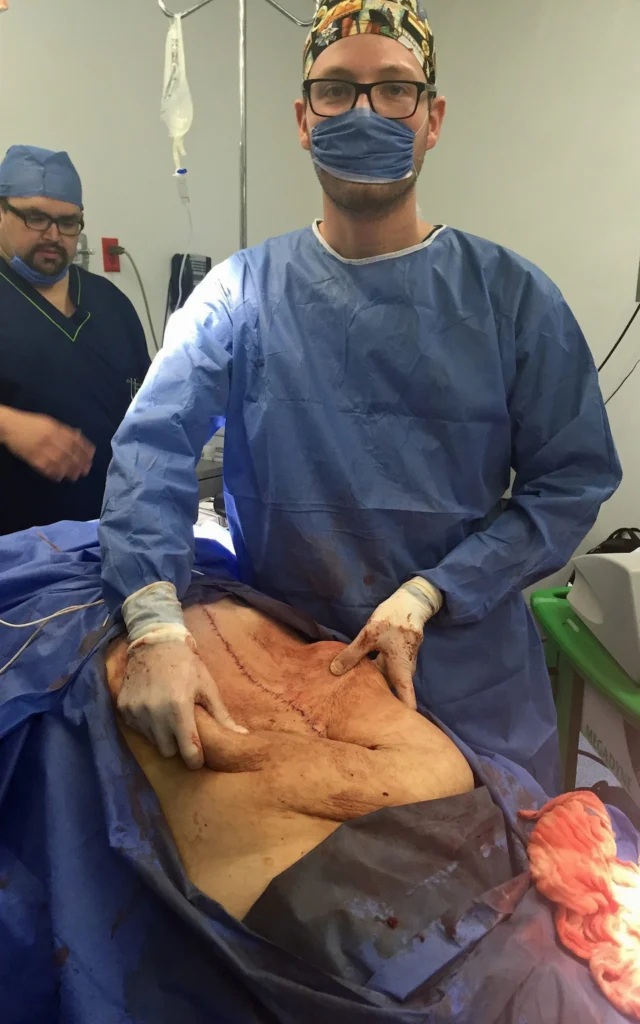
The surgery was performed at Mexico General Hospital by surgeon Dr. Erik Hanson Viana, who described the case as one of the most extraordinary he had encountered in his career.
He explained that the cyst was unusually large, covering approximately 95 percent of the patient’s abdominal area and measuring close to half a meter in diameter. The scale of the growth made the procedure highly complex and required careful planning to ensure the patient’s safety.
A Rare Surgical Approach
One of the most notable aspects of the operation was the method used to remove the cyst.
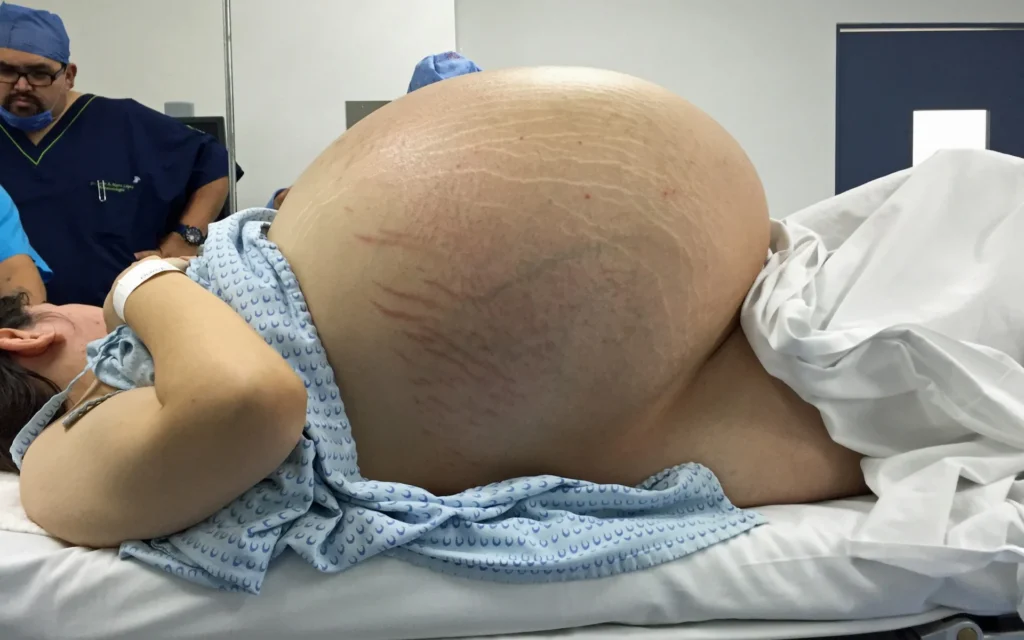
Doctors successfully removed the cyst intact, without draining it beforehand. In many similar medical cases, large cysts are often drained prior to removal to reduce their size and make extraction easier. However, in this situation, the surgical team opted for a different approach due to the specific risks involved.
Medical professionals consider intact removal of such a large mass to be highly uncommon, making the procedure particularly remarkable from a clinical perspective.
Recovery and Patient Outcome
Despite the complexity of the surgery, the operation was successful.
In the days following the procedure, the patient showed significant improvement. She was able to walk again with reduced difficulty and began regaining strength as her body recovered from the strain caused by the large cyst.
In the months after surgery, doctors confirmed that she had made a full recovery. The removal of the cyst allowed her to return to normal daily activities without the physical limitations she had previously experienced.
Medical Insight and Importance of Early Detection
Medical experts emphasize that this case serves as an important reminder of the value of routine health checkups and early medical evaluation.
Large ovarian cysts can sometimes develop gradually and may not show severe symptoms in early stages. However, as they grow, they can lead to significant health complications if left untreated.
Early diagnosis can make treatment simpler, reduce surgical risks, and greatly improve recovery outcomes. Regular medical examinations and paying attention to unusual changes in the body are essential steps in preventing advanced-stage conditions.
Conclusion
This case from Mexico highlights both the challenges and successes of modern surgical medicine. The removal of a 33-kilogram ovarian cyst is not only a rare medical achievement but also a testament to the importance of skilled surgical teams and timely intervention.
Beyond its medical significance, the story underscores a broader health message: listening to the body and seeking early medical care can make a critical difference in outcomes, often preventing conditions from reaching life-threatening stages.