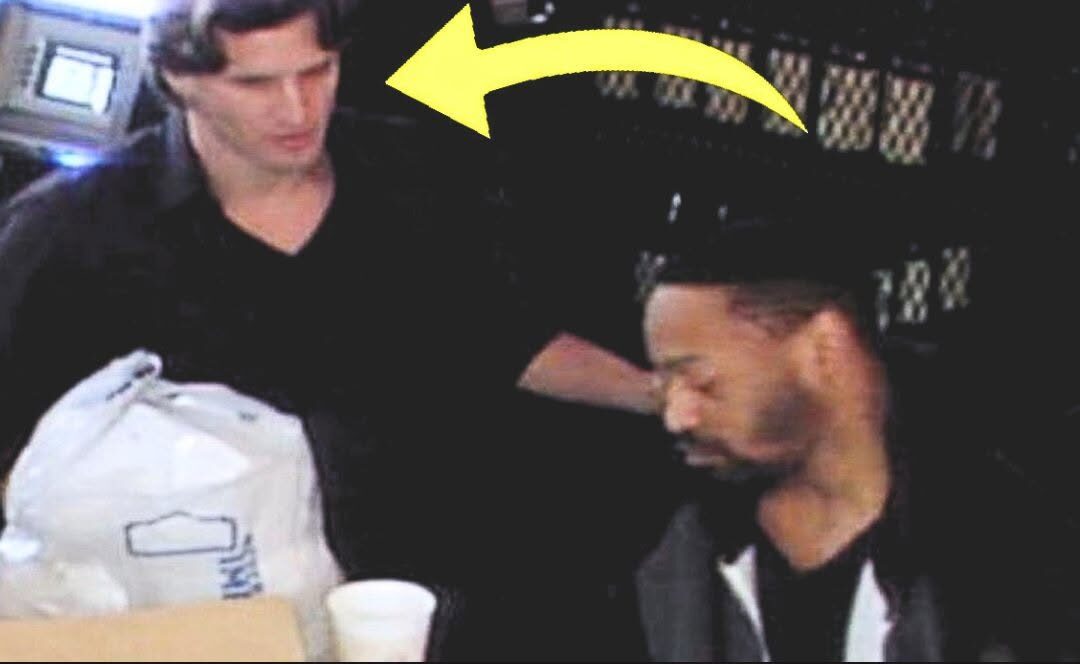
A Restaurant Customer Was Treated Differently the Next Day—And It Sparked a Bigger Conversation About Respect
What began as an ordinary lunch outing eventually became a reminder of something many people encounter in everyday life: first impressions can influence how people are treated, often in ways they do not immediately realize.
According to a story that has circulated widely online, a man named Carl Baker visited a newly opened restaurant after a demanding week at work. Looking forward to a quiet meal and some time to unwind, he expected nothing more than a pleasant dining experience.
Instead, the visit left him disappointed and questioning how customers are sometimes judged before they are truly known.
An Unpleasant Experience at a Restaurant
After waiting in line for nearly 40 minutes, Baker finally reached the counter ready to order. However, things did not go as expected.
Several menu items he selected were reportedly unavailable, despite still appearing on the restaurant’s menu. While occasional shortages are common in the food service industry, what bothered him most was not the lack of food options but the manner in which he felt he was being treated.
The interaction with staff appeared distant and dismissive. Hoping to clarify the situation, Baker asked to speak with management. Rather than improving the experience, the conversation allegedly became more uncomfortable.
Feeling unwelcome, he eventually left the restaurant without ordering a meal.
Stories like this resonate with many people because they touch on a common concern: the desire to be treated fairly and respectfully, regardless of appearance, profession, age, or background.
The Power of First Impressions
Psychologists have long studied how first impressions influence human behavior. Research suggests that people often form opinions about others within seconds of meeting them. These judgments can affect everything from social interactions to customer service experiences.
While first impressions can sometimes be accurate, they can also lead to assumptions that overlook the individual behind the appearance.
In customer-facing industries, businesses often emphasize the importance of treating every guest with the same level of professionalism. Hospitality experts frequently note that consistency is one of the key ingredients in building trust and customer loyalty.
A customer should never need a special title, status, or recognition to receive courteous service.
A Return Visit That Changed the Atmosphere
The following day, Baker returned to the restaurant.
This time, according to the story, he arrived wearing his official police chief uniform. The reaction from staff appeared noticeably different. Employees who had seemed indifferent during his previous visit reportedly became attentive and welcoming.
Whether the change occurred because staff recognized him, respected his position, or simply became aware of the previous incident, the contrast highlighted an important point: people often receive different treatment once others learn more about who they are.
The situation quickly attracted attention online, where many readers debated what the story revealed about customer service and human behavior.
Some viewed it as an example of unconscious bias. Others saw it as a lesson about professionalism and the importance of maintaining the same standards for everyone who walks through the door.
Why Respect Should Never Depend on Status
One of the most discussed aspects of the story was Baker’s response.
Rather than seeking punishment, public retaliation, or a campaign against the restaurant, he reportedly focused on a simpler message. The issue, he suggested, was not about his position or authority. It was about respect.
That perspective reflects a principle shared by many leadership and customer-service experts: true professionalism means treating every individual with dignity, whether they are a business executive, a student, a retiree, or someone you’ve never met before.
In everyday life, people rarely know the full story of the person standing in front of them. A customer, coworker, or stranger may have experiences, responsibilities, and challenges that are invisible at first glance.
Recognizing that reality can encourage more thoughtful and respectful interactions.
A Lesson That Extends Beyond One Restaurant
Although the details of this story have been widely shared as a human-interest anecdote, its broader message extends far beyond a single restaurant visit.
The way people treat others often says more about them than about the person receiving that treatment. Small acts of courtesy—listening carefully, speaking respectfully, and avoiding assumptions—can leave a lasting impression.
Businesses invest heavily in customer experience because they understand that people remember how they were treated long after they forget what they ordered or purchased.