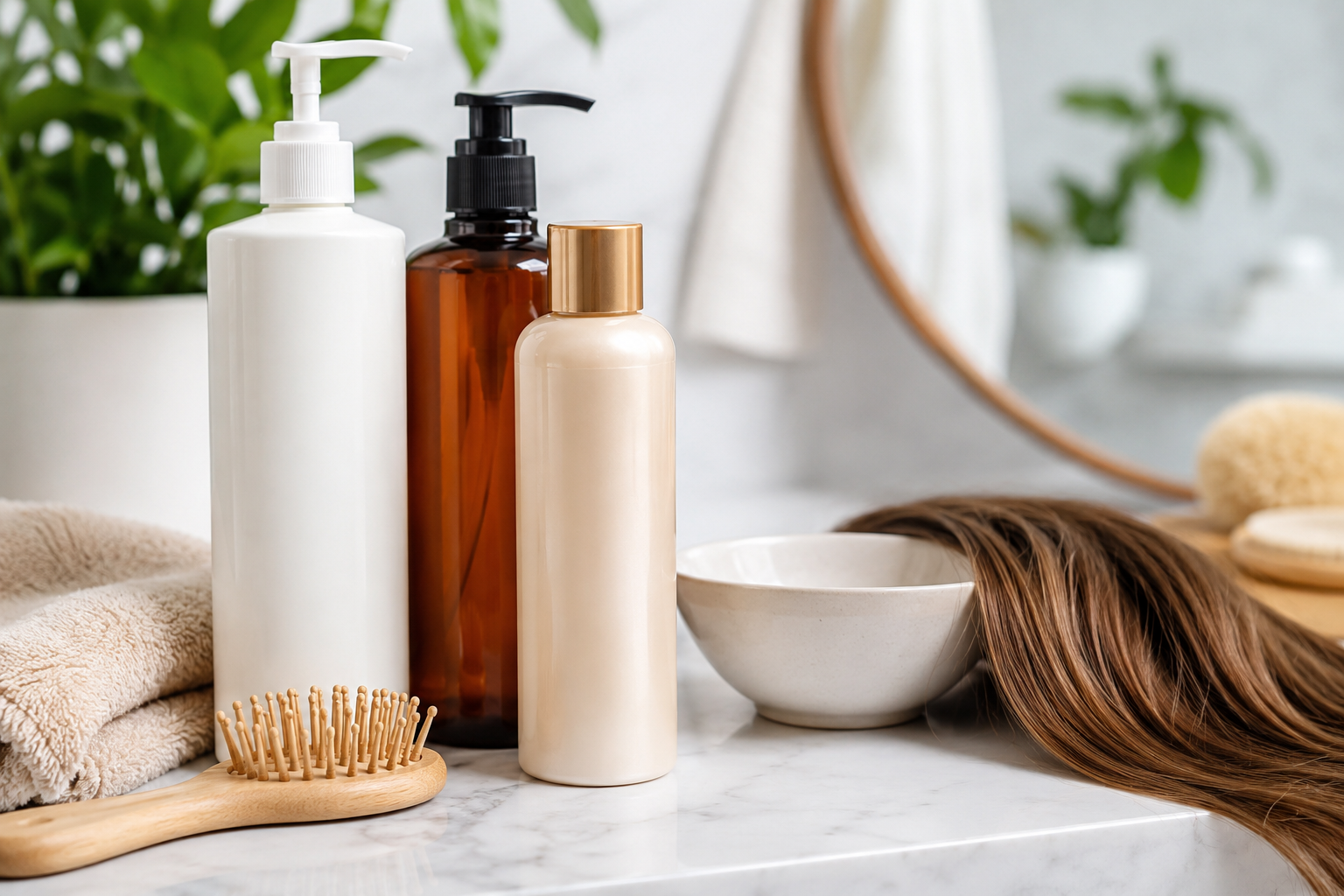
A proper hair care routine is not just about washing your hair regularly. It involves understanding your hair type, choosing the right products, and adopting healthy habits that protect both your hair and scalp. Small everyday decisions—such as water temperature or how you apply shampoo—can significantly influence the strength, shine, and overall health of your hair.
While hair care advice often seems simple, the reality is that every hair type reacts differently. What works for one person may not work for another, which is why a personalized routine is essential.
Choosing the Right Shampoo for a Proper Hair Care Routine
The foundation of a proper hair care routine begins with selecting the right shampoo. Hair care is not one-size-fits-all, and using the wrong product can lead to dryness, excess oil, or irritation.
Oily Hair
If your hair becomes greasy quickly, a clarifying shampoo that removes excess oil and buildup can help maintain balance. However, over-washing should be avoided, as it may trigger the scalp to produce even more oil.
Dry or Damaged Hair
Dry or chemically treated hair benefits from moisturizing shampoos enriched with natural oils, keratin, or proteins. These ingredients help restore softness and reduce breakage.
Color-Treated Hair
Colored hair requires gentle, sulfate-free formulas designed to protect pigment and prevent fading. These shampoos help extend the life and vibrancy of your hair color.
Sensitive Scalp
For those with irritation or sensitivity, mild shampoos without harsh sulfates or strong fragrances are recommended. Soothing ingredients like aloe vera or chamomile can help maintain scalp comfort.
Why Water Temperature Matters in Hair Care
One often overlooked part of a proper hair care routine is water temperature. While hot showers may feel relaxing, extremely hot water can damage both hair and scalp.
Hot water can strip away natural oils, leaving hair dry and dull. It may also increase scalp sensitivity and make hair more prone to breakage.
Lukewarm water is considered the safest option for washing hair. It cleans effectively without removing essential moisture. A final rinse with cooler water can help smooth the hair cuticle, giving your hair a shinier and healthier appearance.
Using the Right Amount of Shampoo
More shampoo does not necessarily mean cleaner hair. In fact, using too much product can lead to buildup and dryness.
A proper hair care routine involves using a small amount of shampoo focused mainly on the scalp. This is where oil and impurities accumulate. When rinsing, the shampoo naturally cleans the rest of the hair lengths.
Scalp Massage for Healthier Hair
A gentle scalp massage during washing can improve your overall hair care experience. Using your fingertips—not your nails—helps avoid irritation while promoting better cleansing.
Scalp massage may also:
Improve blood circulation
Support healthy hair growth
Help distribute natural oils evenly
Just one to two minutes of gentle massage is enough to make a difference.
The Impact of Styling Products
Hair gels, sprays, and mousses can help with styling, but overuse may lead to product buildup on the scalp and hair strands.
Without proper cleansing, this buildup can weigh hair down and reduce its natural shine. Occasionally using a clarifying shampoo can help reset your scalp and remove residue from styling products.
Conditioner and Its Role in Hair Care
Conditioner is an essential part of a proper hair care routine, but it should be applied correctly. It is best used on the mid-lengths and ends of the hair, where moisture is most needed.
Avoid applying conditioner directly to the scalp, especially if your hair tends to become oily. When used properly, conditioner helps reduce tangles, improve softness, and protect hair from damage.
Gentle Drying Techniques Matter
How you dry your hair is just as important as how you wash it. Rough towel drying can cause friction, leading to split ends and breakage.
Instead, gently pat your hair dry or use a soft microfiber towel. If using a blow dryer, choose a moderate heat setting and avoid prolonged exposure to high temperatures.
Heat protection products can also help minimize damage from styling tools.
Conclusion
A proper hair care routine is built on consistency, awareness, and gentle habits. From choosing the right shampoo to managing water temperature and drying techniques, every step plays a role in maintaining healthy hair.
By understanding your hair type and adjusting your routine accordingly, you can improve shine, strength, and overall hair health over time. Small changes today can lead to noticeable long-term results.
Related Articles
How Often Should You Wash Your Hair?
Common Hair Care Mistakes That Damage Your Hair
Best Natural Oils for Healthy Hair Growth
How to Protect Hair from Heat Damage
Scalp Care Tips for Stronger Hair